Greece
Gods, caldera and the wine-dark sea across four Greeces
About This Journey
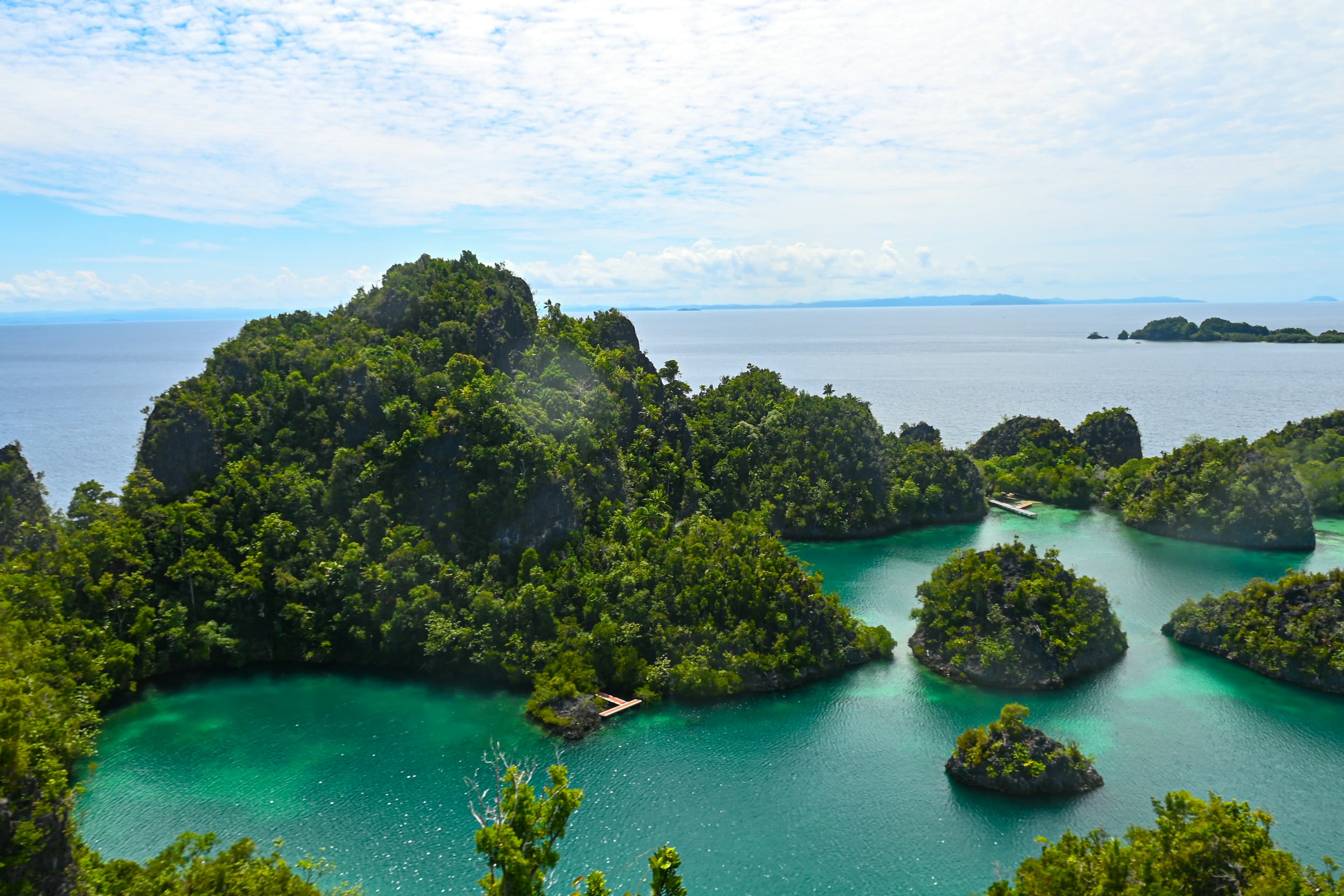
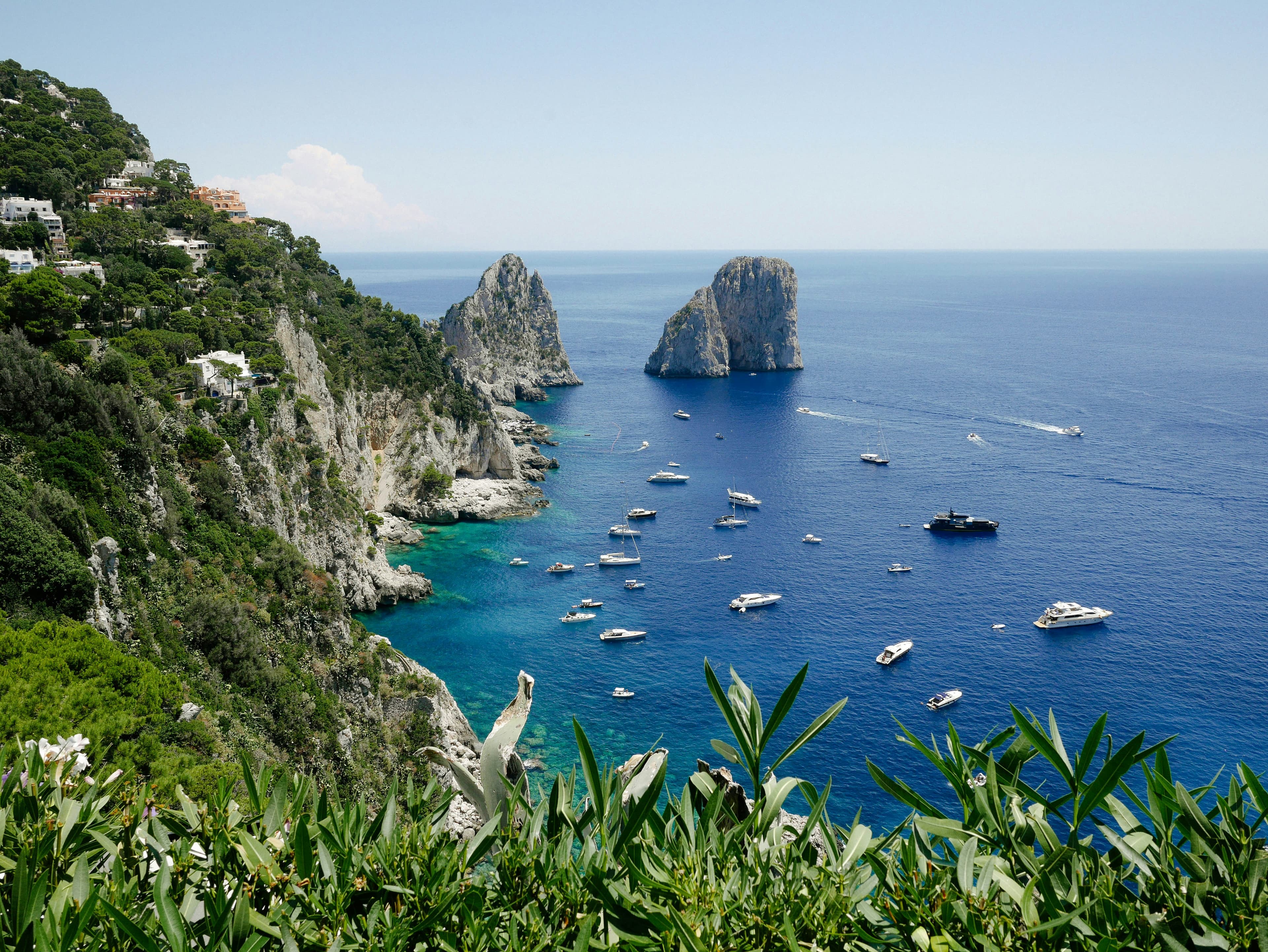
Greece does not ease you in. It arrives all at once — the blinding white light, the smell of oregano and stone and salt air, the weight of a civilisation so old that every corner seems to carry a myth attached to it like a name tag. We move between four worlds that feel nothing like each other and yet belong entirely together: Athens, where the ancient and the contemporary collide on every street corner; Crete, wild and vast and improbably diverse, still carrying the ghost of a Bronze Age civilisation that had indoor plumbing before Rome was even a village; Santorini, perched on the rim of a drowned volcano with the kind of light that makes even jaded travellers go quiet; and Mykonos, glamorous and unapologetically so, where the jet set comes to remind itself why the Aegean is worth all the fuss. This is Greece at its most extraordinary — and most exactly itself.
What's Included
Day-by-Day Itinerary
The City That Built the West
Athens
Arrive at Athens International Airport and transfer privately to Hotel Grande Bretagne on Syntagma Square — one of the great European hotel addresses, where the building itself is a piece of Athenian history. Settle in, then step out: the bougainvillea-fringed alleys of Plaka, the open-air cafés of Monastiraki, the first glimpse of the Acropolis lit from below against a darkening sky. Tonight is at your own pace — a welcome dinner at the hotel or a table at one of the neighbourhood restaurants a short walk away where the locals actually eat. The city will still be awake well past midnight, as it always is.
The God of the Sea
Athens
The morning takes you south along the Athenian Riviera — one of Greece's most underrated coastal drives, past private beaches and pine forests with the Saronic Gulf running alongside. The destination is Cape Sounion: the southernmost tip of the Attica peninsula, where the Temple of Poseidon stands 60 metres above the crashing Aegean, its sixteen remaining columns framing a view of open sea that has been making sailors nervous for 2,500 years. Your private guide brings the 5th-century BC sanctuary to life with a fluency that no audio guide has yet managed to replicate. The afternoon is yours entirely — perhaps the Monastiraki Flea Market, perhaps a neighbourhood café in Exarcheia, perhaps nothing at all.
The Parthenon, the Market & Dinner Under the Gods
Athens
The morning is given to the Acropolis in full — a private guided tour of the most recognisable monument in the ancient world, from the Propylaea gate to the Erechtheion to the Parthenon itself, with a descent to the Acropolis Museum where the sculptures speak for themselves. The afternoon moves to the Plaka district and the Varvakios Market: olive oils, aged cheeses, local honey, sweet pastries, and a city that understands food as a form of conversation. As evening falls, the day delivers its finest moment: an exclusive after-hours visit to the Acropolis when the gates have closed and the site belongs entirely to you, the monuments gold under floodlights, followed by a private dinner in this extraordinary setting. There is no version of this that doesn't feel like something out of a film.
Into the Bronze Age
Crete
A morning flight south to Heraklion, the capital of Crete and the island Greece always keeps slightly to itself. On arrival, a private guided tour of the Palace of Knossos — the legendary heart of Minoan civilisation, 3,500 years old and still extraordinary. The intricate mosaic floors, the ceremonial halls, the throne room containing the oldest throne in Europe, and your guide narrating the myths of King Minos, the Minotaur, and the Labyrinth with the kind of conviction that makes you wonder if they were there. Then north to Elounda and Phaea Blue, where the terrace looks out across the Gulf of Mirabello and Spinalonga sits on the water like a question you'll answer tomorrow.
The Island That Time Forgot
Crete
A boat crossing to Spinalonga — one of Europe's last active leper colonies, only abandoned in 1957, and the haunting setting of Victoria Hislop's bestselling novel *The Island*. The Venetian fortress, the warren of stone streets, the remnants of a community that lived here in near-total isolation for over 85 years: your guide moves through all of it without sentimentality but with considerable feeling. Return to the mainland by early afternoon for lunch in the enchanting village of Plaka — flower-filled tavernas, artisan ceramics, chilled local wine, and the view of Spinalonga across the gulf taking on a different quality now that you've been inside it.
The Cretan Pace
Crete
A day to surrender entirely to Elounda and the rhythm that Crete insists upon once you stop fighting it. The Gulf of Mirabello is perfect for swimming; the property's beach and spa will handle the rest. For those who want to move: the pink-sand beach at Elafonisi on the island's southwestern tip is one of the finest in all of Europe, and the dramatic Samaria Gorge — 18 kilometres of wild ravine cutting through the White Mountains — rewards the energetic. The Venetian harbour town of Rethymno is an afternoon drive away. Your concierge can arrange a private driver for any of these. Or don't, and spend the afternoon in a sun lounger watching the light change on the water.
The Caldera
Santorini
Transfer to Heraklion Airport for the short island-hop to Santorini — a flight that takes less than 45 minutes and arrives on an island that looks like nothing else on earth. Santorini is the remnant of a colossal volcanic eruption so powerful that some historians believe it ended the Minoan civilisation you visited in Knossos three days ago. What remains is a moon-shaped caldera rim, whitewashed cliff-clinging villages, and a sea that turns every shade of blue and violet and copper depending on what the light decides to do that evening. Check in to Canaves Ena, carved into the cliffs above Oia, and spend the remainder of the afternoon doing the single most important thing on this island: finding your position for sunset and not moving from it.
Volcanic Black and Assyrtiko White
Santorini
A private tour of Santorini's interior — an island that has more going on than its cliffs and sunsets suggest, though those will never not be the thing people talk about. The morning heads south to the black volcanic beaches of Perivolos and then up to Mount Prophitis Ilias at 567 metres — an ancient Orthodox monastery at the summit, panoramic views from one edge of the caldera to the other, and the whole arc of the Aegean stretching in every direction. The afternoon belongs to Santorini's wine: a private visit to family-run vineyards producing crisp, mineral-driven Assyrtiko whites from basket-trained vines grown on volcanic ash soil unlike any wine-growing conditions on earth, alongside increasingly celebrated Mavrotragano reds that the world's top sommeliers have only recently discovered.
Caldera at Your Own Tempo
Santorini
A day without a fixed agenda — which Santorini handles better than almost anywhere. A morning swim in your private pool with the Aegean forty metres below the terrace. A late breakfast. Perhaps a wander into Fira for boutique shopping and terrace lunches overlooking the caldera. The volcanic hot springs of Nea Kameni, the ancient ruins at Akrotiri (a Minoan city buried under ash and only excavated in 1967), the coloured beaches of Akrotiri, a boat trip to a secluded cove: your concierge will arrange whichever of these takes the mood. A final Santorini sunset over Assyrtiko from a clifftop bar in Oia. Let it be long.
The Queen of the Cyclades
Mykonos
Transfer by ferry or short island flight to Mykonos — the Mediterranean's most glamorous island and the Aegean's most self-aware, in all the best ways. A stone maze of boutiques, flower-filled lanes, and iconic windmills by day; a sequence of beach clubs, rooftop bars, and waterfront restaurants by night: Mykonos has been doing this particular double act for decades and shows no signs of becoming less good at it. Check in to Bill & Coo, perched above Mykonos Town with views that justify the transfer on their own. The afternoon is a slow introduction: Little Venice — the medieval quarter where the houses jut directly over the Aegean — at golden hour, and a sundowner at the waterfront as the day goes out beautifully.
Where the Gods Were Born
Mykonos
A private boat crossing to Delos — the small, entirely uninhabited island that sits fifteen minutes off the coast of Mykonos and is, according to Greek mythology, the birthplace of Artemis and Apollo. One of the most significant archaeological sites in the entire ancient world, a UNESCO World Heritage Site, and virtually always quieter than it deserves to be. Your private guide walks you through the Temple of Apollo, the Terrace of the Lions, ancient agoras, and private houses decorated with mosaics so intricate they look as if they were laid last week. Return to Mykonos by early afternoon with the disorientating feeling of having been briefly standing at the centre of the ancient world.
The Labyrinth at Dusk
Mykonos
A morning at Psarou or Ornos — two of Mykonos' finest beaches, where the beach clubs have perfected the combination of comfortable sunbeds, cold drinks, and warm water into something that could occupy an entire afternoon without apology. The later part of the day opens up: designer boutiques and gallery jewellery along the lanes of Mykonos Town, the Archaeological Museum, or a private boat to a secluded swimming cove the tour operators haven't found yet. As the light softens, an evening private walk through the labyrinthine alleys of Mykonos Town — streets designed to disorient pirates, which have the same delightful effect on first-time visitors — as the village lights up for the night and the evening becomes whatever you want it to be.
One Last Look at the Aegean
Mykonos
A final unhurried breakfast at Bill & Coo — the Aegean below, a last coffee, no rush. Transfer to Mykonos Airport for your onward flight. Mykonos has direct connections to Athens for international connections, and the island's airport handles a surprising number of direct European departures in peak season. For US and India-based clients, the Athens connection remains the cleanest option for onward routing. Leave having seen four Greeces in thirteen days and having understood, in some small permanent way, why this particular stretch of the world has been producing civilisation, philosophy, food, and poetry for longer than anywhere else.
Why Book With Us
The Bohemian Boys difference.
Tailored Journey
Every itinerary is shaped around how you travel, not pre-packaged.
Insider Access
Doors that don't open for general travellers open for ours.
Global Expertise
Designed by people who have lived and travelled the destinations.
Membership Access
A circle of like-minded travellers, beyond the trip itself.
More to Explore